
By Discover the Adelaide Hills · · 7 min read
The Cudlee Creek fire of December 2019 burnt more than 23,000 hectares from Gumeracha to Harrogate. The Hills that grew back are worth seeing.
On the morning of 20 December 2019, in catastrophic heat, a pine tree fell across powerlines near Cudlee Creek. By nightfall the fire it started had torn south-east across more than 23,000 hectares of the Adelaide Hills, through Lobethal and Woodside, Brukunga and Harrogate, reaching Mount Torrens in the evening. Ninety-eight homes were destroyed and dozens more damaged, along with vineyards, orchards, livestock and great sweeps of bushland. It was, for this region, the defining disaster of the Black Summer.
That is the history. What follows is the reason to visit.
The forest that came back better
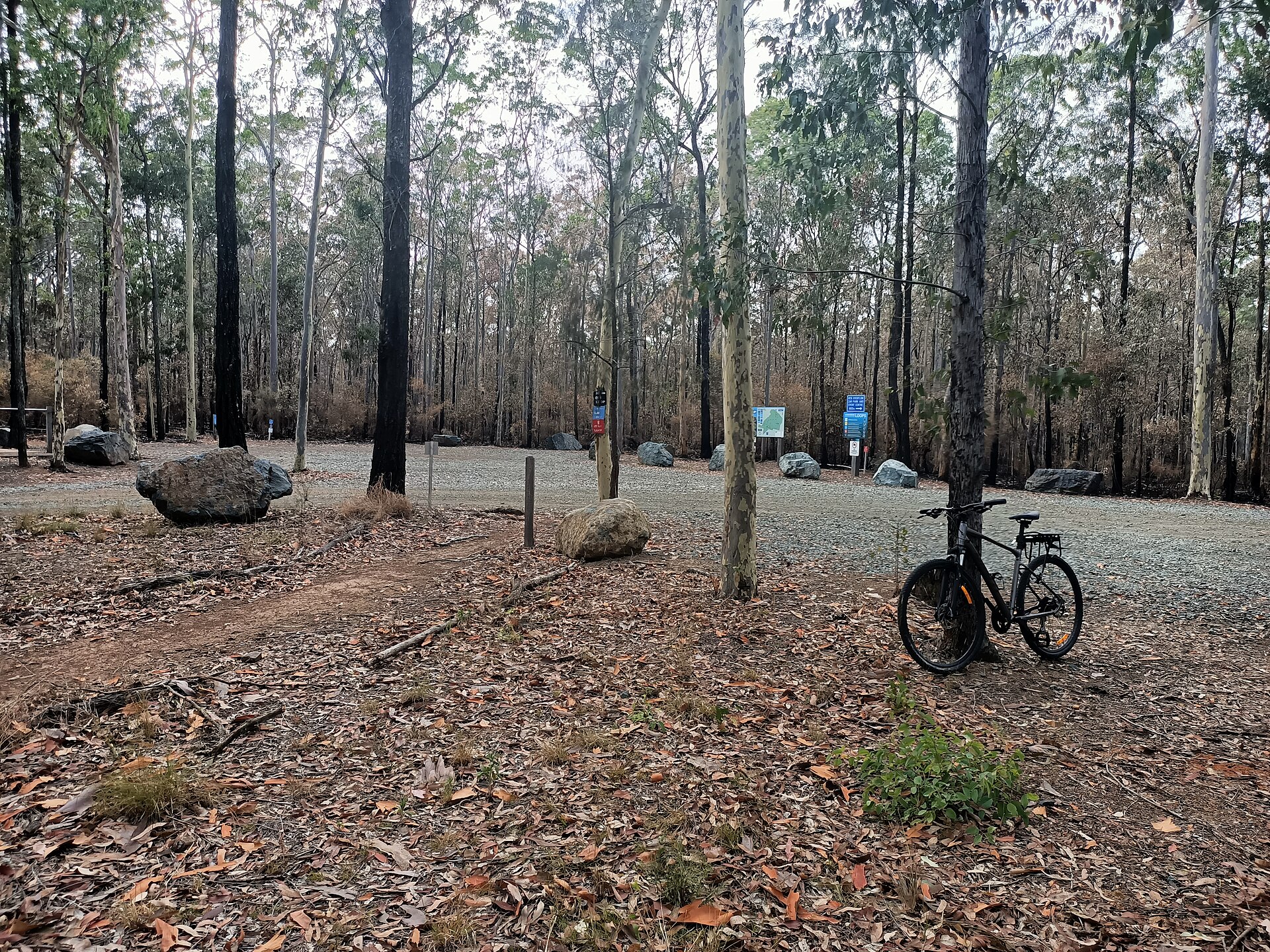
Nowhere tells the recovery story like Fox Creek Bike Park at Cudlee Creek. The fire effectively erased South Australia's most-loved mountain bike trail network - and the rebuild, backed by $2.5 million in bushfire recovery funding, produced something bigger than what burnt: more than fifty kilometres of new-cut single track, a jumps park, a skills area, proper trailheads. Riders came back in their thousands, and the green regrowth fizzing up the burnt slopes is now part of the park's strange beauty.
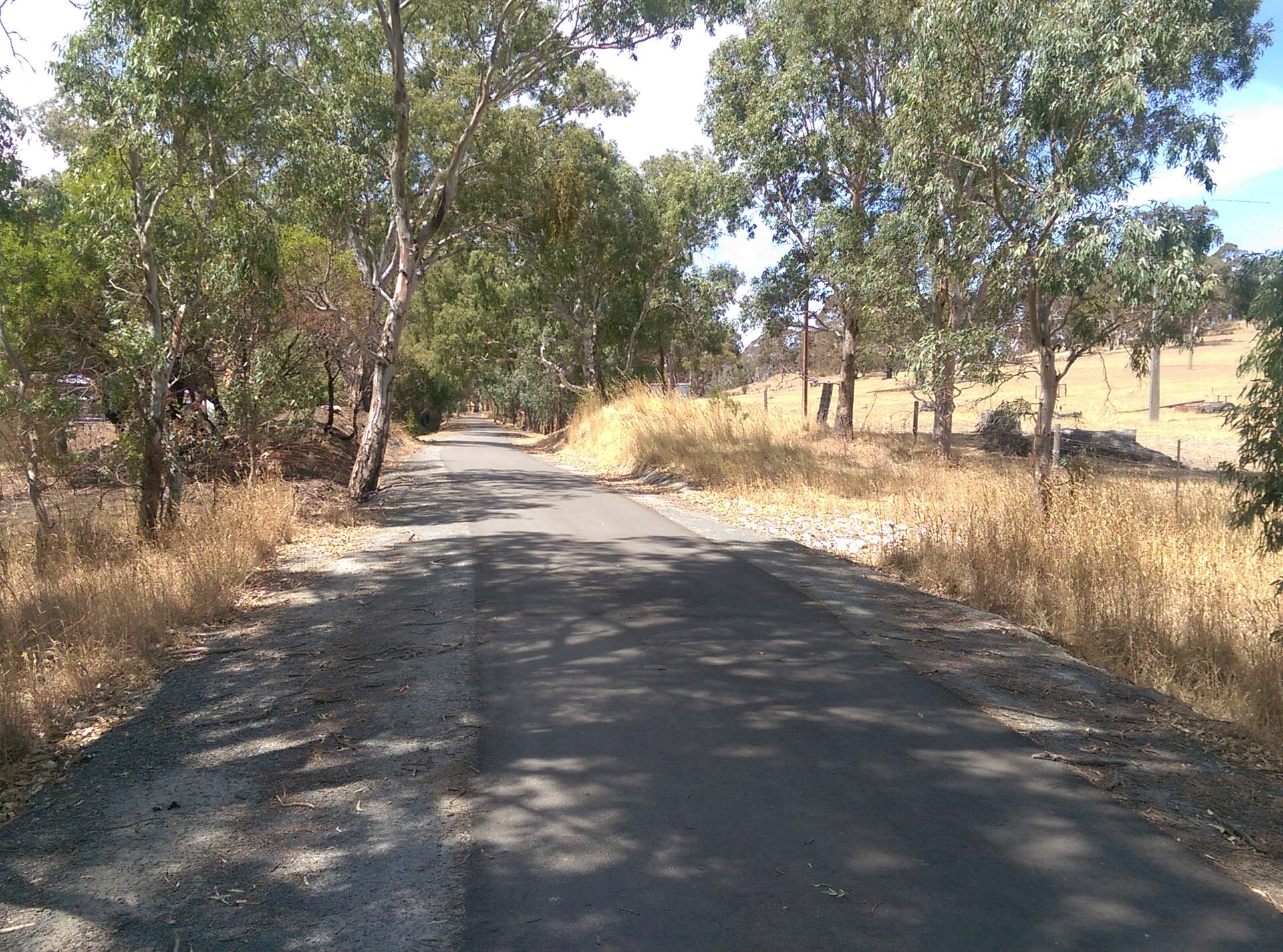
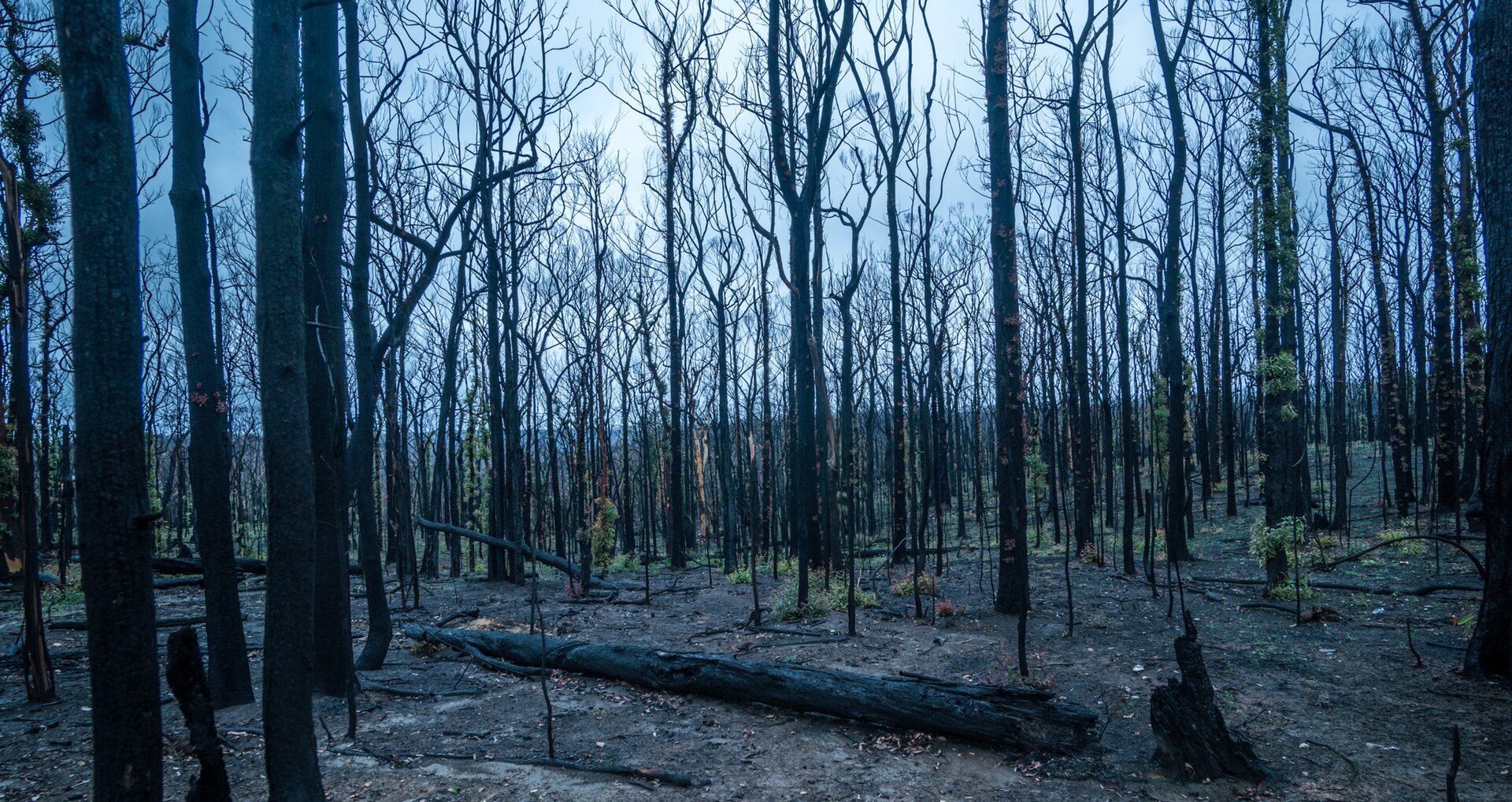
The same regeneration is on show, more quietly, in the steep river red gum country of Cudlee Creek Conservation Park and along the trails of Lobethal Bushland Park, where blackened trunks wear thick green sleeves of epicormic growth - the eucalypt's old trick of dying back to the bark and starting again.
The towns that held
Lobethal, right in the fire's path, has become the emblem of the human recovery. The town's famous December light display was cancelled in 2019 as the fire approached, one of many losses that summer, and the simplest way to support the town today is to visit: a pastie from The Lobethal Bakery (closed Sundays) is a good start. Spending money in these main streets is not just tourism; it is, locals will tell you plainly, part of how the recovery worked.
Further east, the heritage streetscape of Mount Torrens - which the fire front reached on that first terrible evening - survived intact, its 1850s stone buildings still standing on Townsend Street as they have through every drama since the gold drays.
Visiting fire country, thoughtfully
The Hills do not ask visitors to tiptoe. Come, ride, walk, eat, and if conversation turns to the fire, listen - most locals are matter-of-fact and quietly proud. What the region asks instead is the obvious: respect total fire ban days, check park alerts in summer, and understand that the landscape you are enjoying earned its green the hard way. For the gentler story of this same valley, see Lobethal's Christmas lights tradition.