Settled in 1839 by Lutheran refugees, Hahndorf is the oldest surviving German settlement in Australia - and its main street still tells the story in timber, beer and baking.
In 1839, around fifty German families - Lutheran refugees fleeing religious persecution in Prussia - stepped ashore in South Australia and walked into the hills. They named their new village Hahndorf, after Captain Dirk Hahn, who had carried them out on the ship Zebra.
A village that stuck
The settlers laid out a classic German Hufendorf - long, narrow farm strips running back from a central street - and built timber-framed Fachwerk cottages, many of which still stand. They planted orchards and market gardens, established a Lutheran church and brought the baking, brewing and smallgoods traditions that still define the town.
Walking the main street today
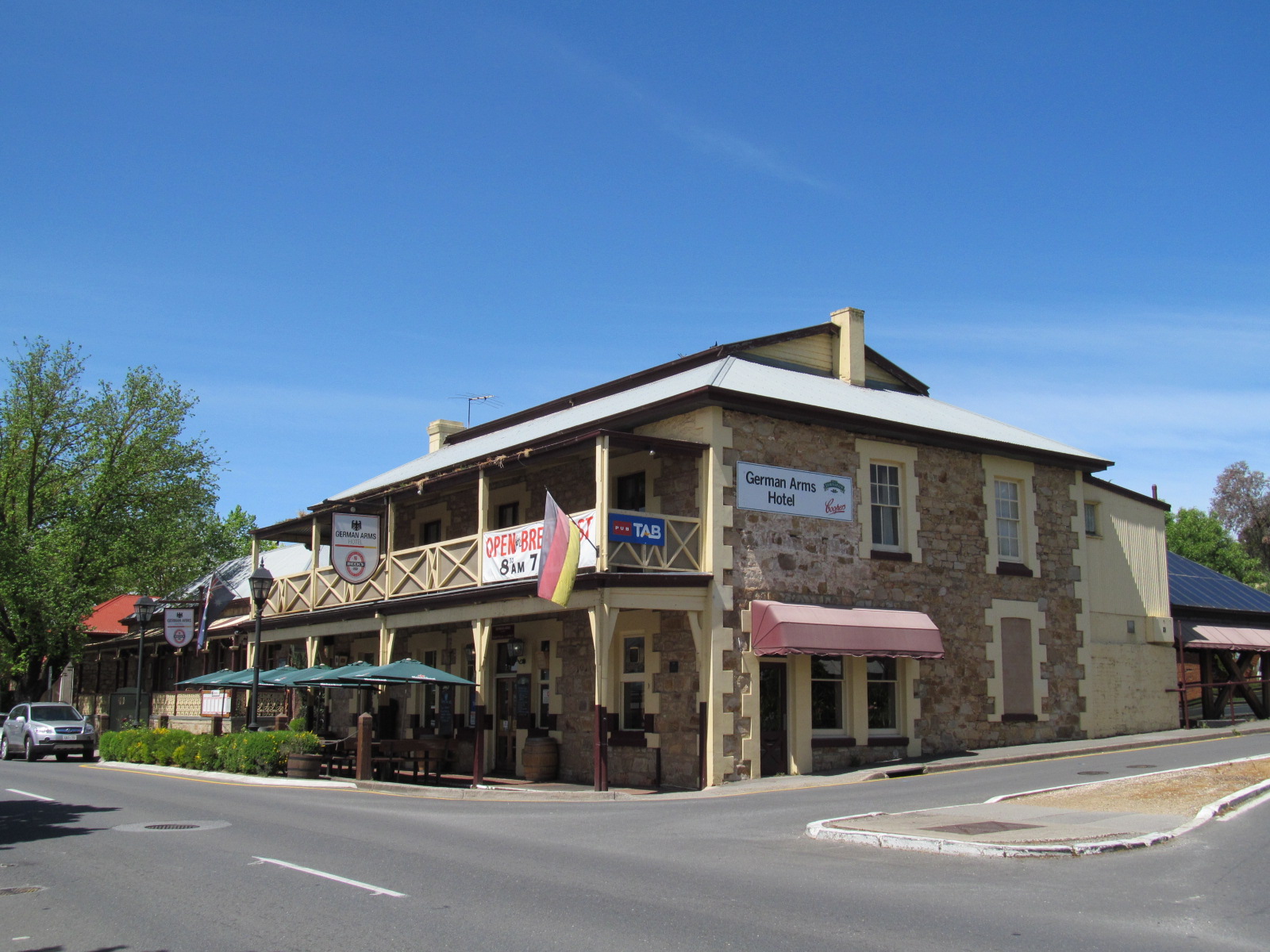
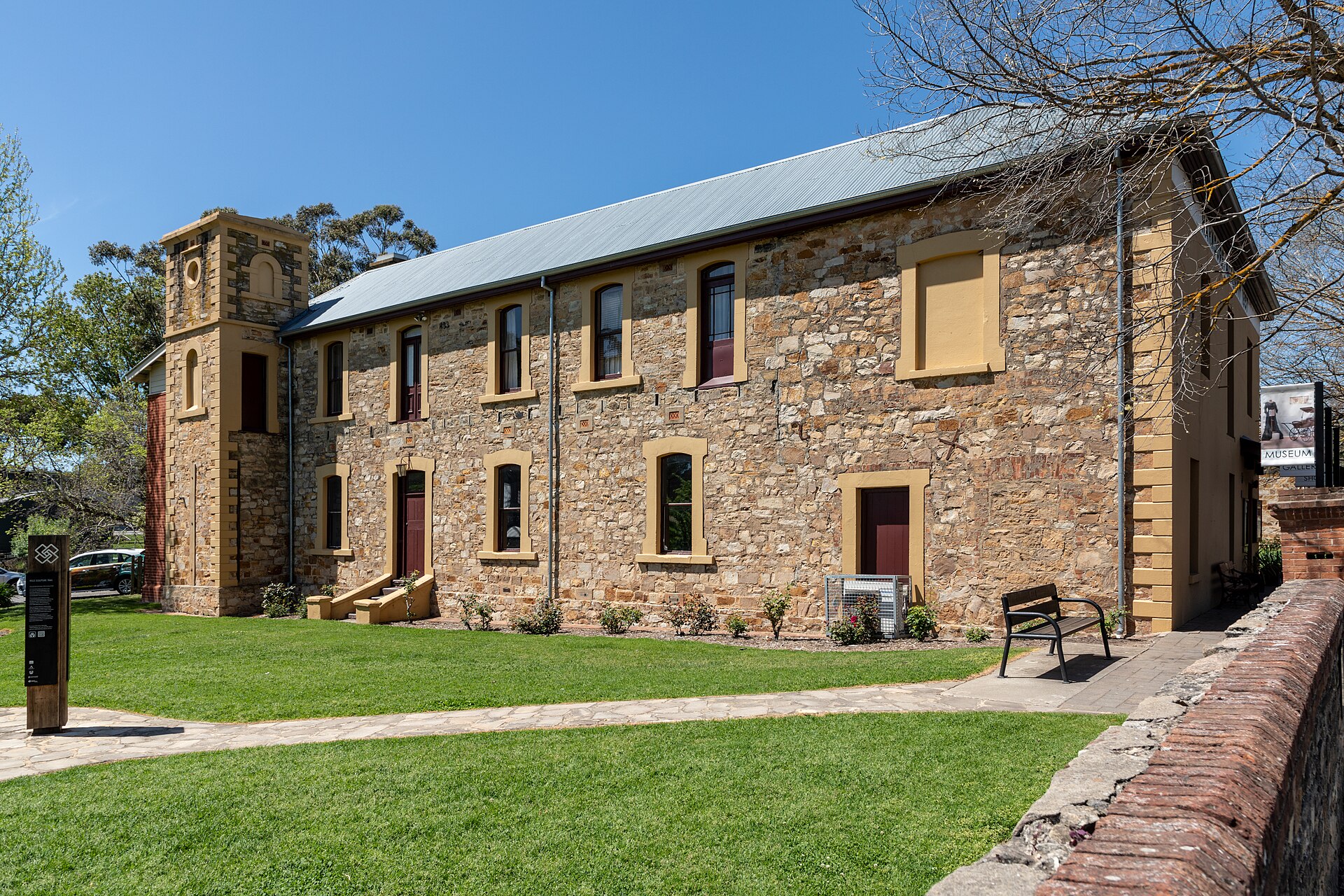
Hahndorf's plane-tree-shaded main street remains the heart of it all. German bakeries sell pretzels, rye and apple strudel; beer halls like the Hahndorf Inn pour imported lagers alongside schnitzel and bratwurst; and galleries, providores and the historic Hahndorf Academy fill the heritage shopfronts.
During the World Wars, anti-German sentiment saw the town briefly renamed Ambleside, but the original name - and the culture behind it - endured. Today Hahndorf wears its history proudly, and a slow wander down the street, strudel in hand, is the best way to feel it.